A Lighter Thanksgiving Plate: Simple Swaps for Thursday
A lighter Thanksgiving plate starts with a few simple swaps: turkey breast, whole-grain stuffing, roasted vegetables, and a short walk after the meal.
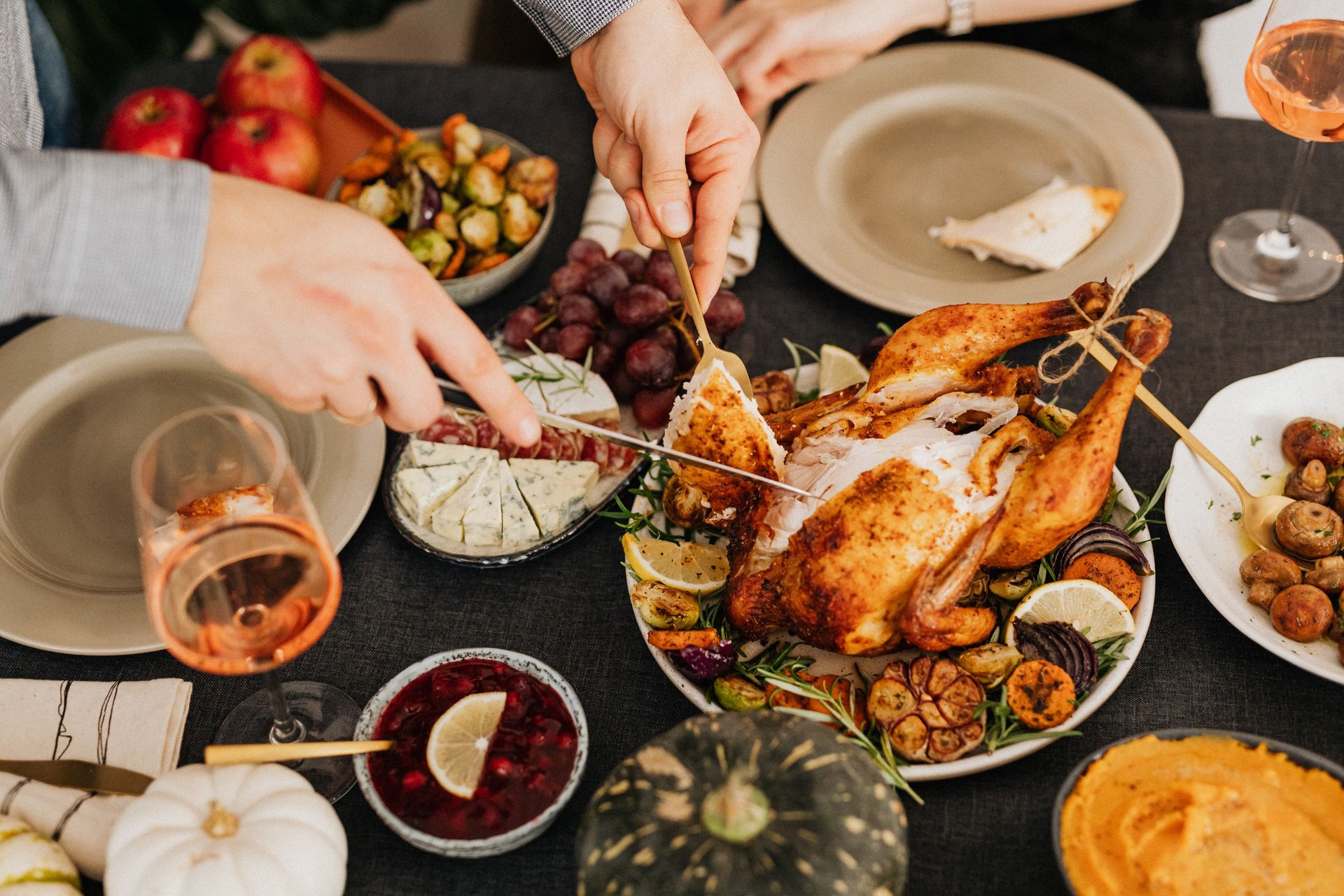
Thanksgiving is Thursday, November 26, and you don't need a brand-new menu to sit down to a lighter plate. A few practical swaps can trim calories, add fiber, and still taste like the holiday.
Registered dietitian Shannon O'Meara, quoted in USA Today, suggests starting with lean roast turkey, choosing vegetables that aren't smothered in cream or butter, using whole-grain bread in the stuffing, cooking with olive oil instead of butter, and lowering the sugar in cranberry sauce. Fill about half the plate with vegetables, keep the richer sides to a modest scoop, and enjoy the meal.
Simple swaps, side by side
Calories below are approximate, based on typical USDA FoodData Central values for a standard serving. Homemade recipes vary, so treat these as a guide, not a lab measurement.
Dark-meat turkey with skin, 3 oz → Skinless turkey breast, 3 oz (175 → 125 calories)
Bread stuffing, ½ cup → Whole-grain stuffing with extra vegetables, ½ cup (180 → 160 calories)
Canned cranberry sauce, ¼ cup → Low-sugar homemade cranberry sauce, ¼ cup (110 → 45 calories)
Candied sweet potatoes, ½ cup → Olive-oil roasted vegetables, ½ cup (235 → 70 calories)
Mashed potatoes with milk and butter, ½ cup → Cauliflower mash, or a half-and-half mash, ½ cup (120 → 50–85 calories)
Sour cream dip or topping, ¼ cup → Plain Greek-yogurt gravy or dip, ¼ cup (110 → 35 calories)
Pumpkin pie, 1 slice → Crustless pumpkin custard, 1 serving (320 → 170 calories)
You don't have to make every swap. Pick two or three that you'll actually eat.
Start with turkey breast
Turkey is already one of the leanest things on the table. White meat has less fat than dark meat, and skipping the skin trims it further: about 125 calories and 26 grams of protein in 3 ounces of skinless roast breast, versus about 175 calories for dark meat with the skin. Roast or bake the bird instead of deep-frying it, and go easy on the butter. An instant-read thermometer helps you pull the breast at a safe 165°F so it stays juicy.
Whole-grain stuffing
Swapping white bread for a whole-grain loaf won't slash calories on its own — a half cup is still around 160 to 180 — but it adds fiber. The bigger trick is the mix: more celery, onion, and mushrooms, low-sodium broth, and olive oil instead of a heavy hand with butter. You still get stuffing, with more vegetable in every scoop.
Low-sugar cranberry sauce
Canned cranberry sauce is mostly sugar: about 110 calories in a quarter cup. Cranberries are tart, so they need some sweetness, but you can use much less. Simmer fresh or frozen cranberries with orange juice, zest, a pinch of cinnamon, and a little maple syrup or honey, just until the berries burst. A quarter cup of this homemade sauce is around 45 calories, and it tastes brighter than the canned kind.
Olive-oil roasted vegetables
A vegetable roasted with olive oil and a little salt stays a vegetable. Buried in cream soup, fried onions, or a brown-sugar glaze, it's closer to a rich side. Candied sweet potatoes run about 235 calories per half cup. The same scoop of Brussels sprouts, carrots, green beans, or cubed squash, tossed with olive oil and roasted until browned, is about 70. Spread them on a sheet pan so they crisp, and let them take up half the plate.
A lighter mash
Mashed potatoes made with milk and butter are about 120 calories per half cup, before extra butter on top. For a bigger cut, mash steamed cauliflower with a spoonful of plain Greek yogurt, garlic, and salt: about 50 calories for the same serving. If a full swap feels like too much, do half potatoes and half cauliflower, around 85.
Greek-yogurt gravy or dip
A quarter cup of sour cream is about 110 calories. The same amount of plain nonfat Greek yogurt is about 35, with more protein. Whisk it with a splash of warm broth, black pepper, and herbs for a tangy sauce, or set it out as a dip while the turkey rests. You can also stir a spoonful into a small ladle of pan gravy to stretch it.
A lighter slice of pie
A typical slice of pumpkin pie is about 320 calories, and a lot of that is the crust. Bake the same spiced pumpkin custard in a dish or in ramekins, without a crust, and a serving is around 170. If the family pie is staying as-is, take a thinner slice.
Walk off the feast
After the meal, take a short walk. Researchers at the University of Colorado Anschutz found that spreading movement through the day — including short 5-minute walks — helped blood sugar more than the same amount of walking in one longer session, in a small study of adults who were overweight and usually inactive. You don't need a workout. A 5- to 10-minute stroll after dinner is enough to count.
A couple of tools that help (optional)
You don't need new equipment for these swaps. If you're buying something anyway, an instant-read meat thermometer helps you avoid overcooking the turkey, and a roasting pan with a rack or a rimmed baking sheet is useful for the vegetables.
As an Amazon Associate I earn from qualifying purchases. These are Amazon search links, not a specific model. Prices change, so use the links to check the current price on Amazon.
Enjoy the day
A lighter plate is a set of choices, not a test. Make the swaps that fit your table, take a short walk, and spend the rest of the time with the people you came for. If you have leftover turkey on Friday, the Turkey & Sweet Potato Bowl is a high-protein way to use it.
Photo: kaboompics / Pexels